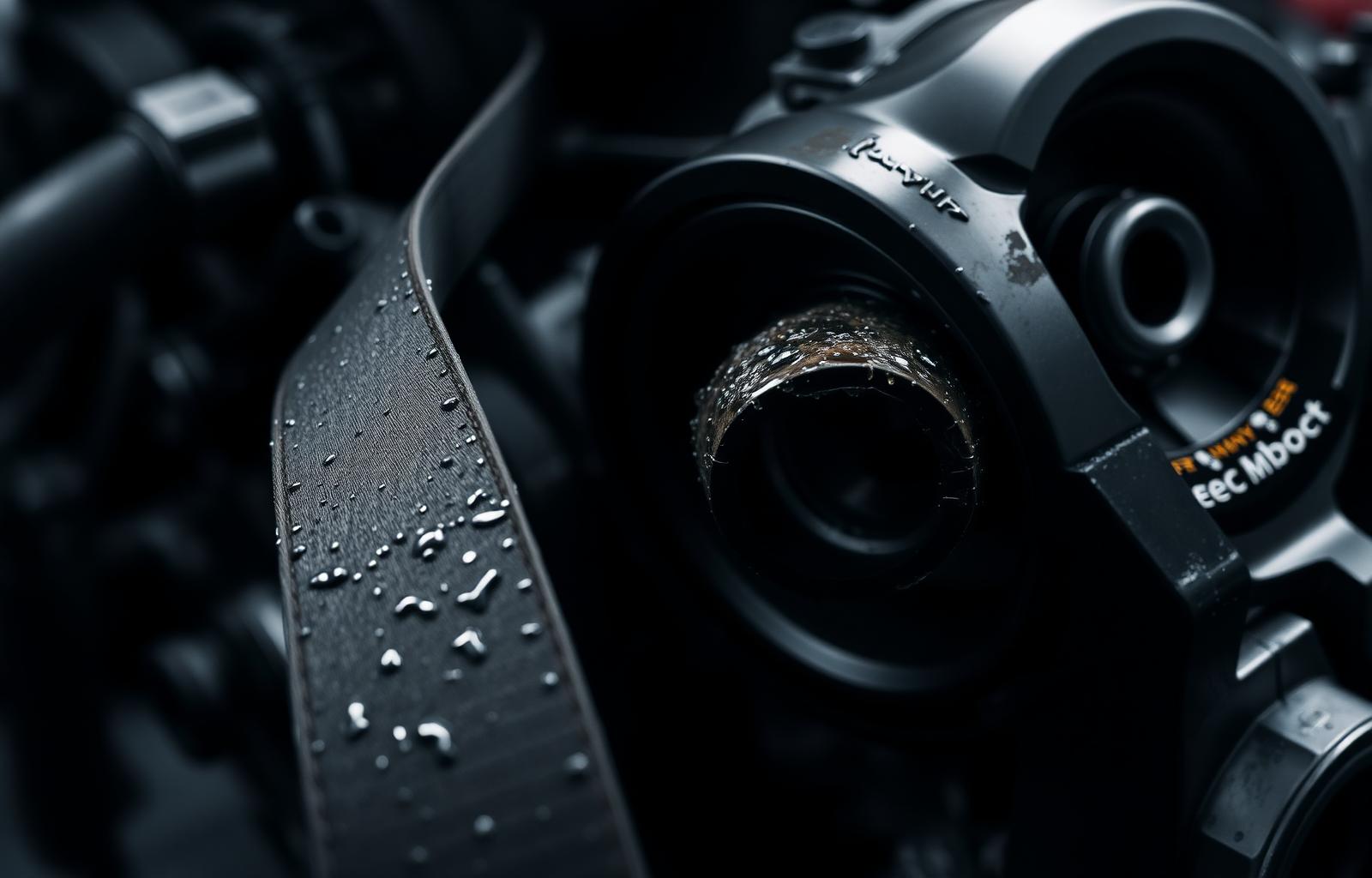
A traditional dry timing belt sits on the outside of the engine, hidden behind a plastic cover, kept dry. It's replaced at fixed intervals — typically 60,000 to 100,000 miles — and the job is well understood.
A wet belt sits inside the engine, submerged in engine oil. The theory was lower friction, longer life and quieter operation. The reality has been belts that shed material into the oil, blocking the pump pickup and starving the engine of lubrication.
Engines that use wet belts include the Ford 1.0 EcoBoost, the Ford 1.5 EcoBoost, the Ford 2.0 EcoBlue diesel and the entire Stellantis 1.2 PureTech family (Peugeot, Citroën, Vauxhall, DS).
If you live in Faversham and you're not sure which type of belt your car has, bring it down to our Canterbury workshop and we'll tell you. The difference matters because the failure modes — and the consequences — are very different.
← Back to all posts